
Different conditions, different vulnerabilities
Asthma and cystic fibrosis can make airborne particles particularly important. Some cancer treatments, transplant medicines and autoimmune treatments can weaken immune defences. Having a chronic condition does not automatically mean someone is immunocompromised; needs should be discussed with their treating team.
Monitor: understand what is changing
A CO₂ monitor can help indicate how well an occupied room is ventilated, but it does not detect viruses. A PM2.5 monitor tracks fine particles, while a humidity sensor can flag damp conditions. Low-cost VOC sensors offer broad indications, not a reliable identification of individual chemicals.
Filter: capture airborne particles
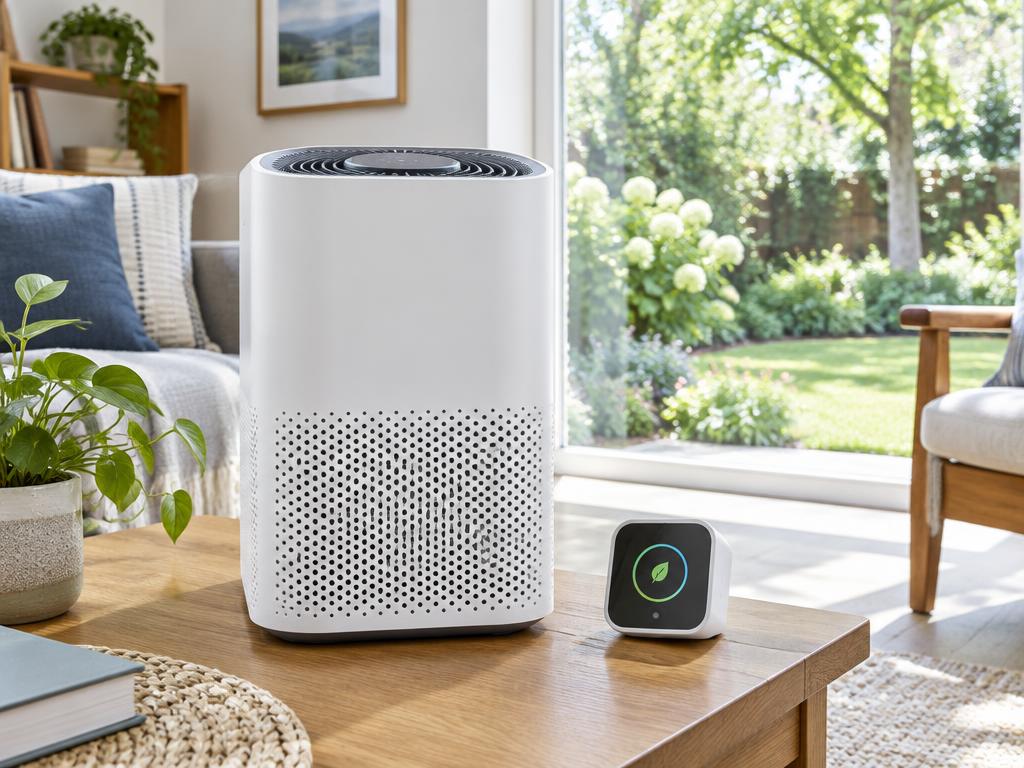
A correctly sized HEPA purifier can remove particles, including dust and some infectious aerosols passing through it. Choose a clean air delivery rate suited to the room and maintain the filters. HEPA does not remove CO₂ or most gases; gas removal needs suitable media such as activated carbon, with its own limits.
Dilute: bring in cleaner outdoor air
Ventilation replaces indoor air with outdoor air to dilute indoor pollutants. Properly designed filtered outdoor-air supply can help where outdoor smoke, pollen or particles are a concern. Recirculating air conditioning alone is not fresh-air ventilation. Avoid bringing in polluted outdoor air without a suitable plan.
Evidence & further reading
Cleaner air reduces exposure; it does not make a room sterile or guarantee that infection or illness will be prevented. Air cleaning complements medical care and other infection precautions.
Educational information only. This is not a diagnosis or a substitute for personalised medical advice.