
Exposure is not the same as infection
Mould releases spores and tiny fragments that can enter the air. Breathing them can irritate airways or provoke allergic responses in some people, even without an infection. Exposure does not mean everyone will become unwell.
How inflammation starts
Your immune system recognises material it sees as a threat and sends chemical signals to recruit defensive cells. This response helps protect you, but it can also cause swelling, mucus and irritation. Repeated exposure may keep symptoms going in susceptible people.
Why people react differently
Asthma, allergies, the amount of exposure and individual susceptibility all matter. People with severely weakened immune systems may face additional infection risks and should ask their treating team for specific advice about damp environments.
Fix the moisture, not just the mark
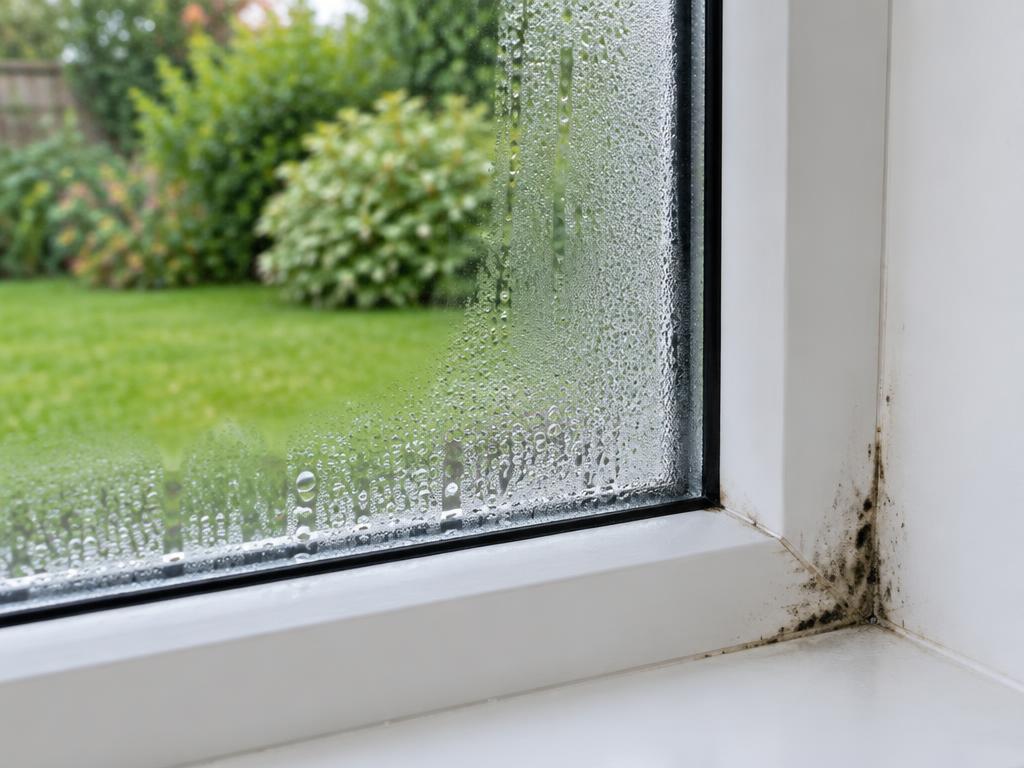
Leaks, condensation and trapped humidity allow mould to grow. Look for the water source, improve appropriate extraction and have affected materials assessed. Painting over mould or relying on fogging alone does not resolve the underlying moisture problem.
Evidence & further reading
This page summarises the Mould & Your Immune System guide. The Building Sciology Poddie episode “Design, Testing, Remediation: The Truth About Mould” inspired the guide; the text is original educational material, not a podcast transcript.
Educational information only. This is not a diagnosis or a substitute for personalised medical advice.